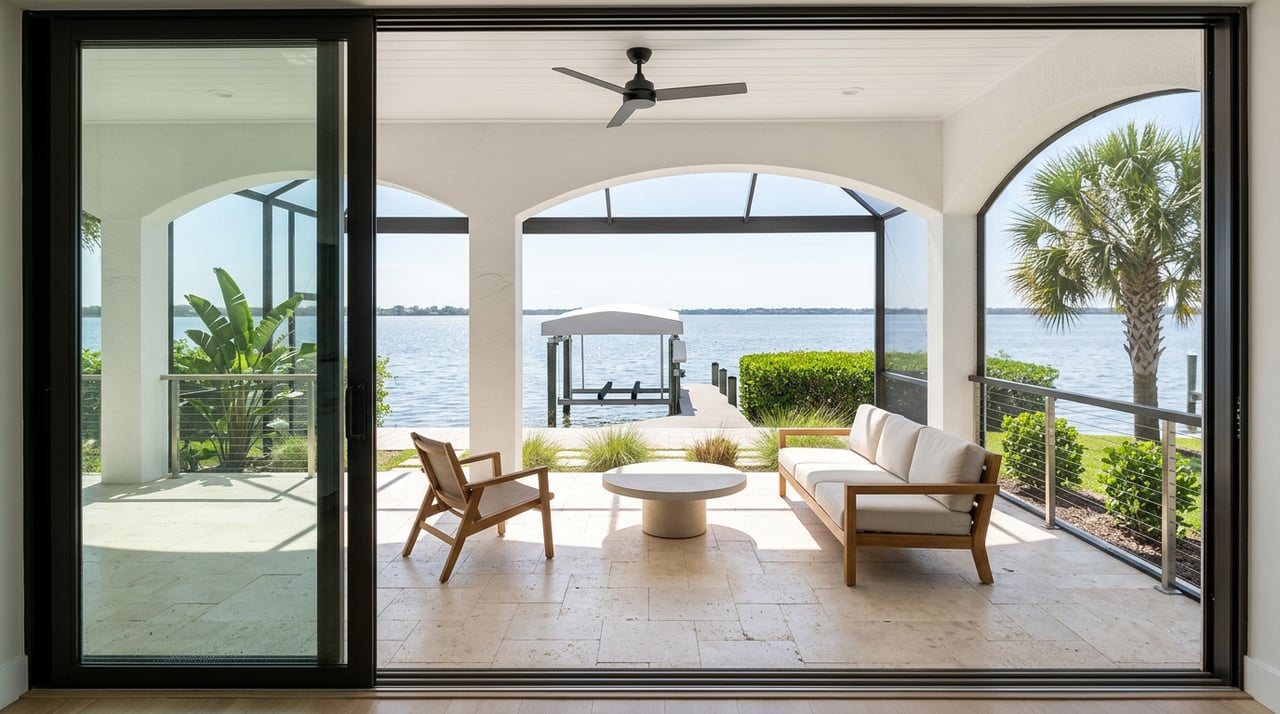
Picture yourself stepping onto a quiet dock at sunrise, coffee in hand, while a pontoon hums past and ospreys circle overhead. If you are curious about Winter Haven’s lakeside lifestyle, you are not alone. Many buyers look to the Chain of Lakes for year‑round fun and relaxed Florida living. In this guide, you will learn how the Chain works, where to play and dine, what “waterfront” really means, and the practical steps to take before you buy. Let’s dive in.
Meet Winter Haven’s Chain of Lakes
Winter Haven is known as the Chain of Lakes City. The city cites about 50 lakes within or along its borders, and the navigable Chain most people mean includes roughly 22 interconnected lakes across the North Chain and South Chain. These lakes are linked by canals and control structures that make true lake‑to‑lake boating possible for much of the year. For a high‑level overview and local lakeshore resources, explore the City’s guide to Our Lakes.
Connectivity and the lock system
The North and South Chains are connected by canals and a lock that helps manage water levels and boat passage. Seasonal water levels and maintenance can affect which routes are open. Always confirm current navigation details, ramp access, and any lock schedules before planning a full‑chain cruise.
Why connectivity matters for you
Connectivity shapes your day‑to‑day. It affects whether you can boat to multiple lakes, tow skiers on larger water, or reach lakeside dining without trailering. It also influences canal traffic, noise patterns, and shoreline upkeep. If boating is central to your lifestyle, make navigable access part of your property checklist.
Playtime on the water
Boating access and ramps
Public boat ramps around the Chain make it easy to launch and explore. Popular South Chain ramps include Summit, Shipp, Howard, Cannon, and Hartridge. On the North Chain, look to Conine, Rochelle, and Haines. Before you go, review locations, parking notes, and lock hours using the Lake Region Lakes Management District’s public access and ramp list.
Fishing and wildlife
Anglers prize the Chain for largemouth bass, panfish like bluegill and redear, crappie, and catfish. Habitat and water quality vary by lake, so techniques and success can differ from one basin to the next. For species details and tips, check the FWC’s guide to the Winter Haven Chain of Lakes fishery.
Water‑ski shows and community events
Winter Haven’s water‑ski roots run deep. The Cypress Gardens Water Ski Team performs free public shows and hosts regional events that bring out families and visitors alike. See upcoming performances and locations with the Cypress Gardens Water Ski Team.
Dine dockside
Part of the fun is pulling up to lakeside dining. Locals often mention Harborside on Lake Shipp for waterfront views and a relaxed meal, and some spots offer dockage for boat arrivals. Get a feel for the scene at Harborside, then ask your server about best practices for docking and peak times.
Home options and what “waterfront” means
Waterfront can mean different things here. Clarify exactly what you are buying and what rights transfer.
- Single‑family lakefront homes with private docks or lifts. Age, lot size, and shoreline treatments vary widely.
- Townhomes and condos with shared docks, assigned slips, and community‑maintained shoreline amenities.
- Water‑adjacent homes with a short walk to the lake but no dock rights.
- Buildable lots where you can design a custom home and apply for a dock if allowed.
Riparian rights, recorded easements, and HOA rules can control whether you can build or maintain a dock. Start with the City’s lakes resources in Our Lakes and plan to confirm rights in title work and association documents.
Market snapshot and the waterfront premium
As of January 31, 2026, Zillow reports a typical home value in Winter Haven of about 272,833 dollars and a median sale price around 258,300 dollars for late 2025. Numbers shift with season and inventory, so verify the latest comps when you are ready to tour. In general, waterfront homes command a premium that reflects lake size, navigable access, dock condition, shoreline improvements, and insurance and maintenance costs. Studies, including Zillow research, show that premium can vary significantly by market and by lake.
Permits, insurance, and maintenance
Permits and shoreline rules
Florida law sets thresholds for when a private dock may be exempt from state permits and when permits are required. Larger docks, dredging, or shoreline stabilization typically need approvals. Always pull records for docks, seawalls, and lifts, and search the Florida Department of Environmental Protection’s permit database during your due diligence.
Seawalls, docks, and lifts
Inspect existing structures early. Look for cracking or movement in seawalls, worn decking, corroded fasteners, and the age and condition of lift motors and hydraulics. Replacement costs vary by length, access, materials, and engineering. For general context on seawall costs and factors, review this marine contractor’s overview of seawall cost per foot. Get quotes from local contractors for site‑specific numbers.
Flood and wind insurance basics
Some lakefront parcels fall within FEMA Special Flood Hazard Areas. If a lender requires it, you will need flood insurance through the NFIP or a private policy. Check a property’s flood zone with Polk County’s Floodplain Management, then request quotes that include homeowners, flood, and wind coverage. Ask about mitigation credits for features like impact windows and roof straps.
Boating laws and safety
Florida enforces life‑jacket rules, idle and no‑wake zones, towing and skier‑observer requirements, and boating under the influence laws. Personal watercraft also have age and education requirements. Review FWC’s boating regulations and obey all posted signage on the water.
Buyer due‑diligence checklist
Use this quick list to stay organized.
- Define what “waterfront” means for the listing. Confirm in writing whether you get a private dock, a shared slip, or views only. Verify riparian rights and any recorded dock easements in title.
- Pull permits for docks, seawalls, lifts, and any shoreline work. If records are missing, ask when work was done and whether it was permitted at the time.
- Hire a marine contractor to inspect the seawall, dock, and lift. Request written estimates for repair or replacement and likely timelines.
- Check flood zone and elevation through Polk County resources and the FEMA Map Service Center, then get insurance quotes early.
- Verify navigable access for your boat. Measure dock length and water depth, check bridge and canal clearances, and review lock hours and channel constraints with local authorities.
- Read HOA or condo documents for boat size limits, lift types, slip assignment, guest docking, assessments, and reserve funding for common docks.
- Ask about recent algae or aquatic vegetation issues, lake projects, and water‑quality trends. The Polk Water Atlas provides maps and data for local lakes. Start with the Polk Water Atlas and ask your agent for recent neighborhood insights.
Everyday tips for Chain of Lakes living
- Keep a simple dock kit: extra lines, fenders, and a spotlight for evening returns.
- Learn the local no‑wake zones and peak traffic times to plan low‑stress outings.
- Maintain shoreline vegetation that stabilizes soil and improves water clarity.
- Expect wildlife such as birds and alligators. Observe from a safe distance and do not feed wildlife.
- If you host guests, set clear boating and safety rules before leaving the dock.
Ready to explore waterfront homes and compare lakes by access, community feel, and maintenance needs? Let’s map your options and build a smart plan. For friendly, local guidance backed by professional resources, schedule your free consultation with Paula Shields.
FAQs
What is the Winter Haven Chain of Lakes?
- It is a group of about 22 navigable lakes connected by canals across Winter Haven’s North and South Chains, within a city that has roughly 50 lakes in or along its borders.
Can you boat between the North and South Chains?
- Yes, many boaters can move between them using canals and a lock when conditions and schedules allow; always check current navigation status and lock hours before you go.
What does “waterfront” include when buying a home?
- It can mean a private dock, a shared community dock or slip, or a water view without access; verify rights and any HOA rules in writing and confirm recorded easements in title.
Do I need a permit to build or replace a dock?
- Some small private docks may be exempt if they meet state criteria, but larger docks or shoreline work typically require permits; confirm with local records and state agencies before starting.
How do I check flood risk for a lakefront property?
- Look up the property’s FEMA flood zone through local county floodplain resources, then get quotes for homeowners, flood, and wind coverage to understand the total insurance cost.
What fish are common in the Chain of Lakes?
- Anglers often target largemouth bass, bluegill, redear, crappie, and catfish, with results varying by lake based on habitat and water conditions.
Are there restaurants you can reach by boat?
- Yes, several local spots offer lake views and some provide dockage; confirm current docking policies and availability before you go, especially on weekends.