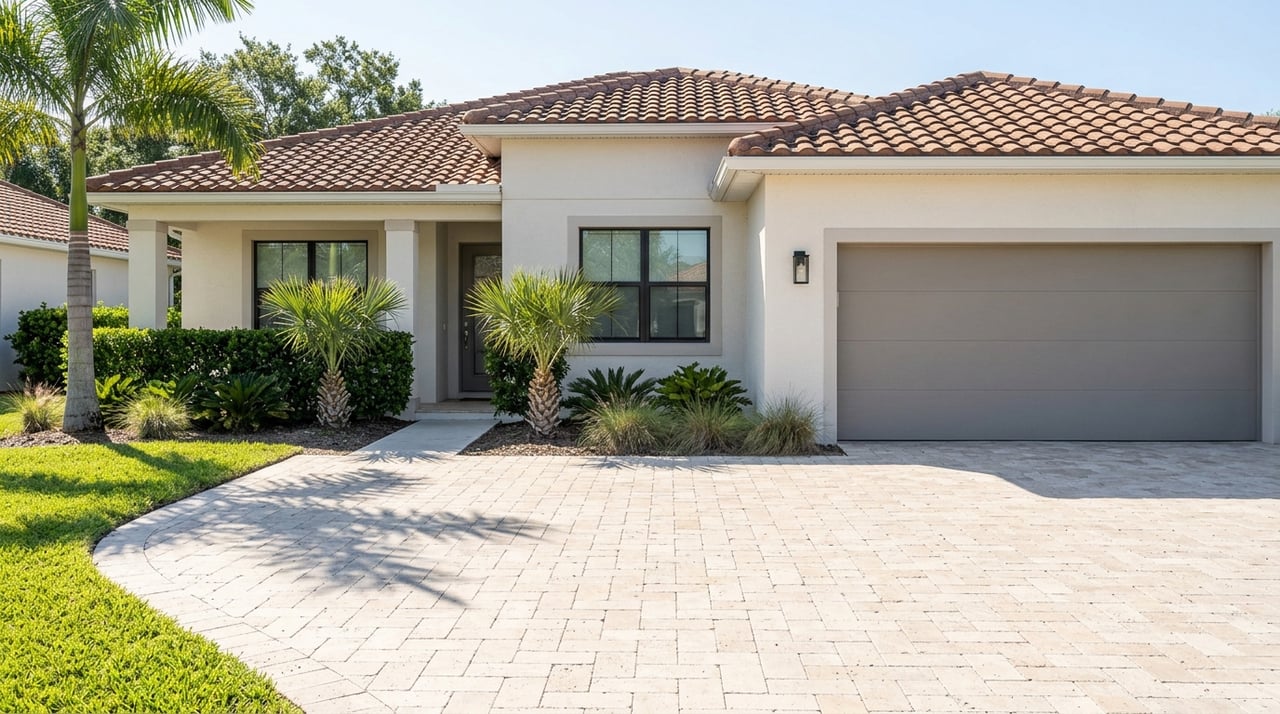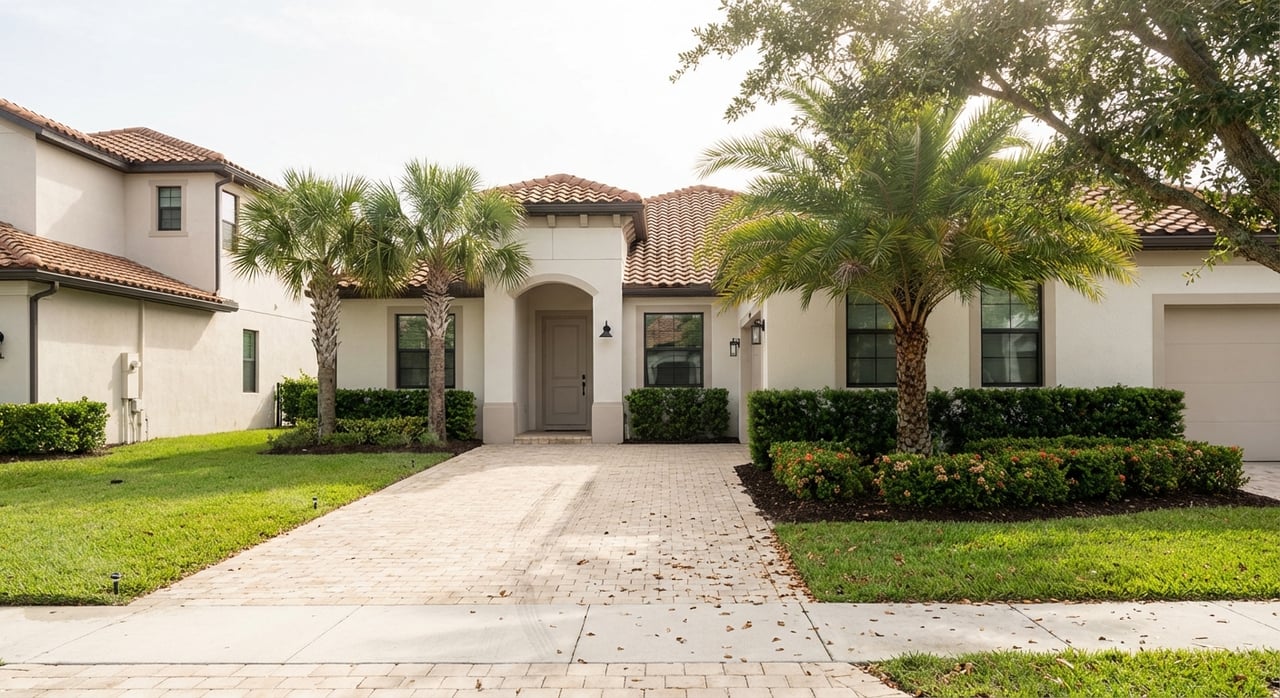
Dreaming of a brand‑new home near Orlando without the theme‑park chaos at your doorstep? You are not alone. Davenport’s rapid growth, resort‑style communities, and access to I‑4 have made it a magnet for first‑time buyers, families, relocators, and investors. In this guide, you will learn how new construction works in Davenport, what fees to expect, how long builds take, what warranties cover, and smart ways to compare incentives so you can buy with confidence. Let’s dive in.
Why Davenport new builds are hot
Davenport has been growing fast, which fuels steady demand for new neighborhoods and master‑planned communities. The U.S. Census estimates Davenport’s 2024 population at 16,764, up from 9,043 in 2020, signaling strong buyer interest and builder activity. U.S. Census QuickFacts confirms the surge.
Location also helps. You sit along the I‑4 and US‑27 corridor, within a practical drive of major employment and entertainment centers in greater Orlando. Many Davenport master plans offer resort‑style amenities, golf‑adjacent options, and townhome or single‑family choices, giving you flexibility on price, size, and lifestyle.
Your new construction options
Quick move‑in homes
These are inventory or “spec” homes that are completed or near‑complete. You can often close in 30 to 90 days, which works well if you need a faster move.
To‑be‑built production homes
You choose a lot and floor plan, then make design selections. Typical timelines run about 6 to 12 months from contract to move‑in, but schedules can shift with permitting and weather. Plan a buffer for delays. For general benchmarks on build timing, see industry guidance on how long a home takes to build.
Fully custom builds
Fully custom is less common in Davenport’s production‑driven communities. When available, you should expect 12 or more months plus design and permitting time.
What to expect in the process
Deposits and contracts
Builders typically require a deposit at contract. The amount and escrow handling vary by community and whether you are buying a spec home or a to‑be‑built. Ask for the deposit schedule in writing, where funds are held, and what happens if the contract is canceled. Bring a buyer’s agent who has new‑construction experience to help you navigate terms and timelines.
Design center choices and upgrades
The base price covers a standard package. Upgrades like flooring, cabinetry, counters, appliances, and structural options can add tens of thousands of dollars to the final price. Get a written inclusions list and a sample allowance sheet before you fall in love with the model’s finishes. Ask for line‑item estimates on your likely picks.
Change orders and timing
Builders set firm windows for choices. After selections lock, changes are usually processed as written change orders that can affect both price and schedule. Review the builder’s procedures and performance standards early. The NAHB Residential Construction Performance Guidelines are a useful reference for expectations and quality benchmarks.
Inspections and quality control
Even with new construction, consider independent inspections at key milestones such as pre‑drywall and final walkthrough. Confirm the builder’s policies and scheduling upfront. Using recognized standards, like the NAHB performance guidelines, helps set fair expectations.
Financing and builder incentives
Many builders offer preferred‑lender packages tied to incentives. You may see mortgage rate buydowns, closing‑cost credits, extended rate locks, design credits, or price adjustments on inventory homes. Always request the terms in writing and compare the builder’s offer to at least two outside lenders. Total cost over time matters more than the headline monthly savings. For context on common incentive tactics, review this overview of builder incentives like rate buydowns and credits.
If you are building from dirt, you might hear about construction‑to‑permanent options. For most production homes, you will close with a conventional, FHA, or VA loan when the home is complete. Ask your lender to factor every recurring fee, including HOA and CDD assessments, into your qualifying ratios from day one.
HOA, CDD, and your monthly costs
What a CDD is
A Community Development District is a special‑purpose unit of local government that finances and maintains community infrastructure such as roads, stormwater, lakes, and amenity centers. Florida authorizes CDDs under Chapter 190 of the Florida Statutes.
How CDD fees appear
In Polk County, CDD charges often show up on the annual tax bill as non‑ad valorem assessments, with separate lines for debt service and operations and maintenance. The exact amount depends on the district’s budget and the parcel’s assessment. Verify the figures on the county’s site. You can search tax records directly through the Polk County Tax Collector.
HOAs and community rules
Most Davenport master plans have HOAs that maintain common areas and set community standards. Florida’s HOA law requires associations to keep official records and produce them upon a written request within statutory timeframes. Review CC&Rs, budgets, insurance, and any pending special assessments before you commit. You can read the governing framework in Chapter 720.303 of the Florida Statutes.
Short‑term rental considerations
Rental rules vary by community, and some areas or phases of a master plan may prohibit short‑term rentals. If you plan to rent, confirm the HOA’s rules, and remember that Florida’s transient‑rental taxes and licensing obligations can apply. Verify both association covenants and county requirements before assuming a property can be rented short‑term.
Warranties and Florida protections
Typical new‑home warranty
Many production builders provide layered coverage often described as 1 year for workmanship and materials, 2 years for distribution systems, and 10 years for major structural items. Review the actual certificate and claim process, including any service fees, rather than relying on a brochure. For context on standard third‑party programs, see this overview of 2‑10 Home Buyers Warranty.
Construction‑defect procedures and timelines
Florida law sets out pre‑suit notice and inspection steps for construction‑defect claims. Recent statutory changes also shortened the statute of repose window for certain latent defects, which affects how long owners may bring some claims. It is wise to discuss these points with your attorney and to keep complete records of your build and warranty communications. You can read the general framework in Florida’s Chapter 558 pre‑suit procedures.
Pros and cons in Davenport
Advantages of new construction
- Modern energy efficiency and newer building systems can lower near‑term maintenance.
- Warranty coverage and quality checkpoints offer peace of mind.
- You can choose floor plans and finishes to suit your needs.
- Amenity‑rich master plans often deliver a resort‑style experience.
Tradeoffs to weigh
- Upfront prices and optional upgrades can push costs above the base price.
- HOA and CDD assessments add to your monthly carrying cost.
- To‑be‑built homes take longer to deliver and can face delays.
- Resales might offer immediate occupancy and established neighborhoods. Evaluate total cost of ownership, not just the sticker price.
Red flags to watch
- Incentives with vague terms like “up to,” or unusually large buydowns that are not clearly funded. Read the fine print and ask for written details. For a helpful perspective on buydown risks, see this discussion of mortgage buydown red flags.
- Missing or late HOA or CDD disclosures. Insist on the latest budget and, for CDDs, the parcel’s assessment details.
- Warranties that heavily limit remedies or push disputes into binding arbitration without clear exceptions. Ask questions before you sign.
Smart buyer checklist for Davenport
Use this list when touring models, reviewing contracts, or comparing neighborhoods.
- What type of sale is this: quick move‑in, to‑be‑built, or custom? What is the estimated build or close date, and what happens if the builder misses it? For general timing context, see how long a build typically takes.
- Deposit and escrow: What is the deposit schedule, where is it held, and under what conditions is it refundable? Get it in writing.
- Inclusions and upgrades: What is included in the base price? Ask for a written inclusions list, design allowances, and line‑item estimates for likely upgrades.
- Financing and incentives: Who is the preferred lender, and what incentives come with using them? Get a Loan Estimate from the builder’s lender plus 2 to 3 outside lenders. Request written terms for any rate buydown or rate lock. Learn how incentives work with this overview of builder-offered credits and buydowns.
- HOA and CDD: Is the property in a CDD or HOA? Ask for the CDD name, the latest budget, the parcel’s assessment amount and term, and the HOA’s CC&Rs, budget, insurance, and any pending special assessments. Verify assessments on the Polk County Tax Collector site and read the legal framework for CDDs in Chapter 190.
- Warranty package: Request the full warranty packet and ask how service requests are handled. For common structures, see this summary of 1-2-10 style coverage.
- Inspections and walkthroughs: Confirm pre‑drywall and final walkthrough timing and whether independent inspectors are allowed. Use recognized standards such as the NAHB performance guidelines to set expectations.
- Rental rules: If you plan to rent, confirm HOA restrictions, and verify county transient‑rental tax and any licensing requirements before you buy.
- Title and assessments at closing: Ask your title company to confirm how current‑year CDD or HOA assessments will be prorated and whether any liens appear on the commitment.
- Builder track record: Ask for recent Davenport references and review recent deliveries. Look for consistent communication and on‑time performance.
When you are ready to compare communities and floor plans, you do not have to do it alone. Work with a local guide who tracks HOA and CDD details, builder timelines, and incentive trends across Polk County. If you want help narrowing your options or negotiating the right package, reach out to Paula Shields to get local, hands‑on support from first tour to final walkthrough.
FAQs
What are CDD fees in Davenport and how are they paid?
- A Community Development District funds community infrastructure and amenities, and its assessments often appear as non‑ad valorem lines on your Polk County tax bill. Verify parcel‑specific amounts on the Polk County Tax Collector site and review the district’s current budget.
How long does new construction take in Davenport?
- Quick move‑in homes can close in 30 to 90 days, while to‑be‑built production homes commonly run about 6 to 12 months from contract to move‑in; timelines can vary with permitting and weather, so build in a buffer.
What warranties do Davenport builders usually provide?
- Many offer layered coverage often described as 1 year for workmanship and materials, 2 years for systems, and 10 years for major structural components; always read the full warranty certificate and claim procedures.
Do I need my own inspector on a new build?
- Yes, it is wise to hire independent inspectors for pre‑drywall and final stages; align expectations with recognized standards and confirm the builder’s inspection policy in advance.
How do HOA and CDD fees affect my mortgage approval?
- Lenders include recurring HOA and CDD assessments in your qualifying ratios and may require escrow for larger assessments, so verify exact annual amounts early in underwriting.
Are short‑term rentals allowed in Davenport new communities?
- It depends on the HOA and community rules; some master‑planned areas allow short‑term rentals while others prohibit them, and separate county transient‑tax and licensing rules may apply. Always verify before buying.