Waking up to water views in Lake Alfred sounds like a dream, but buying on the lake is different from buying on a typical neighborhood street. You balance beauty and recreation with permits, inspections, and long-term maintenance. This guide gives you a clear roadmap so you can shop smart, avoid surprises, and find the right fit for your lifestyle and budget. Let’s dive in.
How Lake Alfred waterfront works
Lake Alfred sits in Polk County between Winter Haven and Auburndale, with quick access to the I‑4 corridor. That location makes lakefront living appealing if you want water access without giving up commutability to regional jobs, shopping, and health care. Inventory is diverse, and each niche comes with its own rules, maintenance, and value drivers.
Waterfront micro-markets at a glance
- Canal-front lots: These may offer dockable access to larger water but often have narrower frontage. Depth and canal maintenance matter if you plan to keep a boat at your dock.
- Direct lakefront single-family: Classic lake houses and mid-century ranch homes are common. Expect private shoreline views and small docks, plus varied seawall conditions.
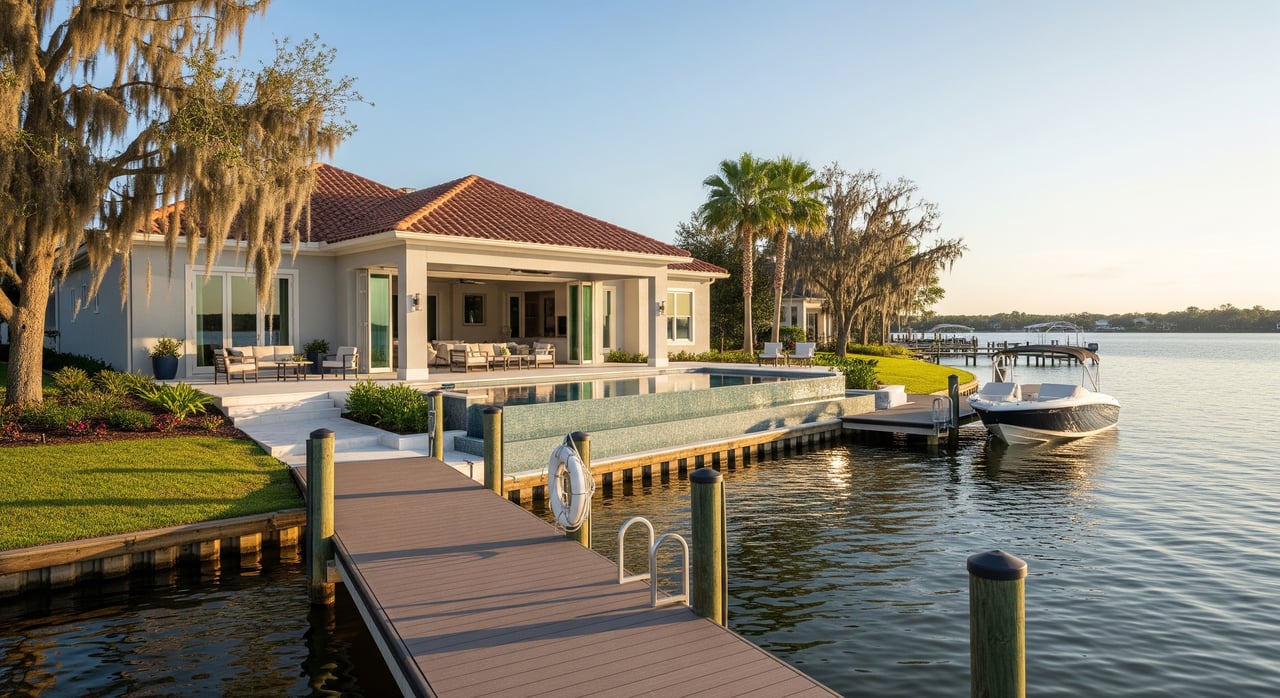
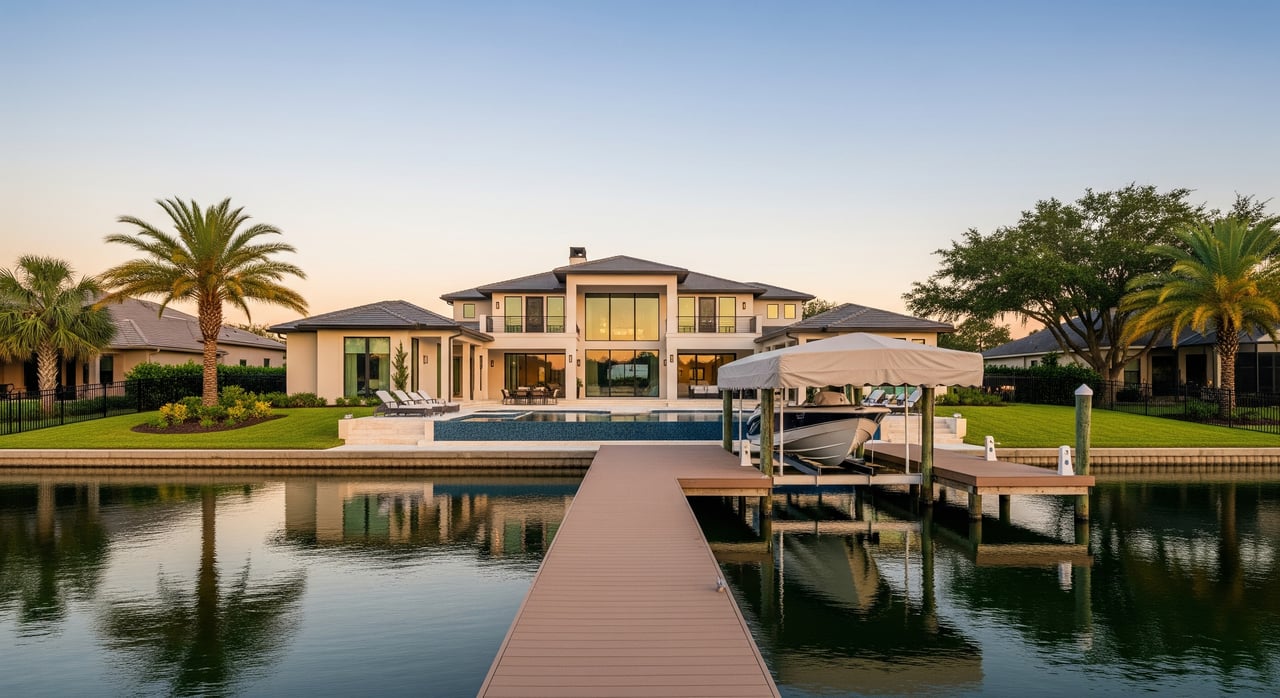
- Estate or larger-lot lakefront: Wider frontage, longer driveways, and added privacy. These lots often allow larger docks or boathouses where permitted.
- Near-lake or view-only: You may get lake views across a road or park with a lower price point than direct waterfront. Access and parking for water toys become key.
- Small-lot infill or redevelopment: Older, narrow parcels can be great for a renovation or replacement build. Watch setbacks, height limits, and dock placement rules.
- HOA or managed communities: Shared ramps, community docks, and covenants can simplify upkeep. Review fees, rules, and storage options.
- Vacant waterfront lots: Verify buildability, conservation easements, and dock or seawall requirements before you fall in love with the view.
Factors that vary by lake and lot
- Boat access and connectivity: Lake size, depth, and canals influence what you can operate and where you can travel.
- Shoreline improvements: Seawall age, dock condition, and lift equipment affect both safety and value.
- Utilities and systems: Some older homes rely on septic. Confirm sewer availability and locations of tanks and drain fields.
- Road access and privacy: Lot width, tree canopy, and neighboring docks shape day-to-day experience.
- Local rules: City or county ordinances can influence dock size, boat types, and wake zones.
Lot and home features to weigh
Lot traits that impact use and value
- Frontage width: Narrow frontage may limit dock placement and boat maneuvering. Wider frontage can add privacy and resale appeal.
- Lot shape and setbacks: Curved shorelines or shallow front yards can reduce usable space even on larger parcels.
- Shoreline type: Natural vegetation, seawall, riprap, or soft bank each have different maintenance and permitting needs.
- Elevation and drainage: Subtle grade changes affect flood risk. Look for ponding near foundations after heavy rain.
- Easements and rights-of-way: Drainage or riparian easements can limit how you use the shore.
Home characteristics you will see
- Age and construction: You will find a mix of modest cottages, mid-century ranch homes, and newer infill builds. Older homes may lack modern flood mitigation.
- Storage and parking: Trailers and water toys require space. Confirm garage dimensions and any HOA rules.
- Outdoor living: Screened porches, lakeside patios, and decks are big lifestyle wins. Inspect for wind and water wear.
- Foundations and resilience: Newer homes may have elevated slabs or pilings. Older builds might need retrofits to improve flood performance.
What drives value on the lake
- Direct access vs. view-only access
- Water clarity and recreational appeal
- Shoreline improvements in good condition
- Privacy and longer waterfront footage
- Proximity to ramps, marinas, and daily needs
Boating and lake-use basics
Boat types and typical use
- Non-motorized: Canoes, kayaks, and paddleboards work on most lakes and canals.
- Small motorboats and pontoons: Common on residential lakes where size and depth allow.
- High-speed or wake boats: Check for no-wake zones and size limits that may apply on certain lakes.
Rules and where to check
- Boating safety and registration: Florida Fish and Wildlife Conservation Commission sets statewide rules on safety gear, registration, and operator requirements.
- Local ordinances: City of Lake Alfred and Polk County govern things like dock permits, wake zones, and parking near ramps.
- Shoreline work: Docks, seawalls, and lifts can involve permits through the City or County, the Florida Department of Environmental Protection, and the Southwest Florida Water Management District. Certain situations can also involve federal oversight.
Boat questions to answer early
- Does the property have a permitted dock, and what is its condition?
- What is the near-shore depth at typical water levels? Can your boat dock safely year-round?
- Are canals dredged and navigable for your boat type?
- Where are the closest public ramps and storage options?
- How much do seasonal water levels fluctuate, and how does that impact use?
Permits, inspections, and insurance
Permits and legal checks
- Shoreline structures: Docks, seawalls, riprap, lifts, and boathouses usually require permits. Confirm local approvals and whether work touches state-owned submerged lands.
- Property records: Review parcel data, recorded easements, and any floodplain disclosures through Polk County records.
- Septic or sewer: Verify system type, capacity, and permit history with county health records.
Inspections to order before you buy
- Whole-home inspection with attention to foundation and any elevated elements
- Seawall or bulkhead inspection for bowing, tieback issues, and undermining
- Dock inspection for pilings, decking, fasteners, and electrical for lifts
- Flood elevation certificate and FEMA flood map review
- Vegetation and water assessment for algae or invasive plants
- Septic inspection and confirmation of sewer availability when relevant
Insurance and budgeting
- Homeowners premiums can be higher near water. Flood insurance is separate and may be required based on flood zone.
- Insurability depends on elevation, claim history, and shoreline condition.
- Budget for ongoing costs: seawall repair or replacement, dock maintenance, vegetation control, mosquito management, and any HOA fees.
Your on-site viewing checklist
Shoreline and water
- Identify shoreline type: natural, seawall, or riprap.
- Look for erosion, sinkholes, or undermined soil.
- Note water clarity, odors, or algal mats.
- Check depth at the dock during typical and lower water periods.
Dock and seawall
- Inspect pilings, decking, and hardware for rot or corrosion.
- Scan for leaning bulkheads or loose tiebacks.
- Ask for documentation of repairs and permits.
Elevation and drainage
- Watch for ponding near the home after rain.
- Confirm the house sits above typical lake level.
Utilities and systems
- Locate septic tank, drain field, or sewer connection point.
- Verify power at the shoreline for lifts and lighting.
- Confirm internet options if remote work matters.
Neighborhood use and privacy
- Note neighbor dock spacing and boat traffic levels.
- Listen for noise sources and check proximity to public ramps.
Legal and title clues
- Watch for encroachments from neighbor docks.
- Ask for recent surveys and confirm littoral rights with your title team.
Walk-the-water and timing tips
- View the property from the water if possible to see maneuvering space and dock alignment.
- Visit at different times of day to gauge sun, wind, and activity.
- After a storm, re-check for debris, erosion, and drainage performance.
Smart next steps
- Do your homework: Pull flood maps, permit history, and parcel data.
- Line up inspections: Home, seawall, dock, septic, and elevation.
- Clarify your boat plan: Size, storage, depth, and rules.
- Get quotes early: Insurance, seawall and dock work, vegetation management.
When you are ready to move from research to action, you will want a local, hands-on guide who knows Polk County lakes and the permitting landscape. If you want a calm, informed path to a lake home you love, connect with Paula Shields for a friendly consultation and a focused game plan.
FAQs
What should Lake Alfred buyers know about dock permits?
- Docks, lifts, and seawalls often require permits from the City or County, and in some cases state authorization. Review existing permits and consult local officials before planning changes.
How do flood zones affect Lake Alfred lakefront purchases?
- Your lender may require flood insurance based on FEMA mapping. An elevation certificate and home features like raised foundations can influence cost and eligibility.
What inspections are essential for Lake Alfred waterfront homes?
- Order a home inspection, seawall and dock inspections, septic inspection if applicable, and obtain a flood elevation certificate. Add a vegetation or water assessment if you see heavy growth.
Can I keep a wake boat on a Lake Alfred property?
- It depends on lake size, depth, and local rules such as wake or speed restrictions. Confirm near-shore depth at the property and check city or county ordinances.
What ongoing maintenance should Lake Alfred lakefront owners expect?
- Plan for seawall and dock upkeep, shoreline vegetation management, storm checks for erosion or debris, and pest control around stagnant areas. Budget for periodic repair or replacement.
Are near-lake or view-only homes a good value in Lake Alfred?
- They can offer lower prices with easy access to the lake environment. Evaluate parking, storage, and ramp proximity to match your boating or recreation plans.