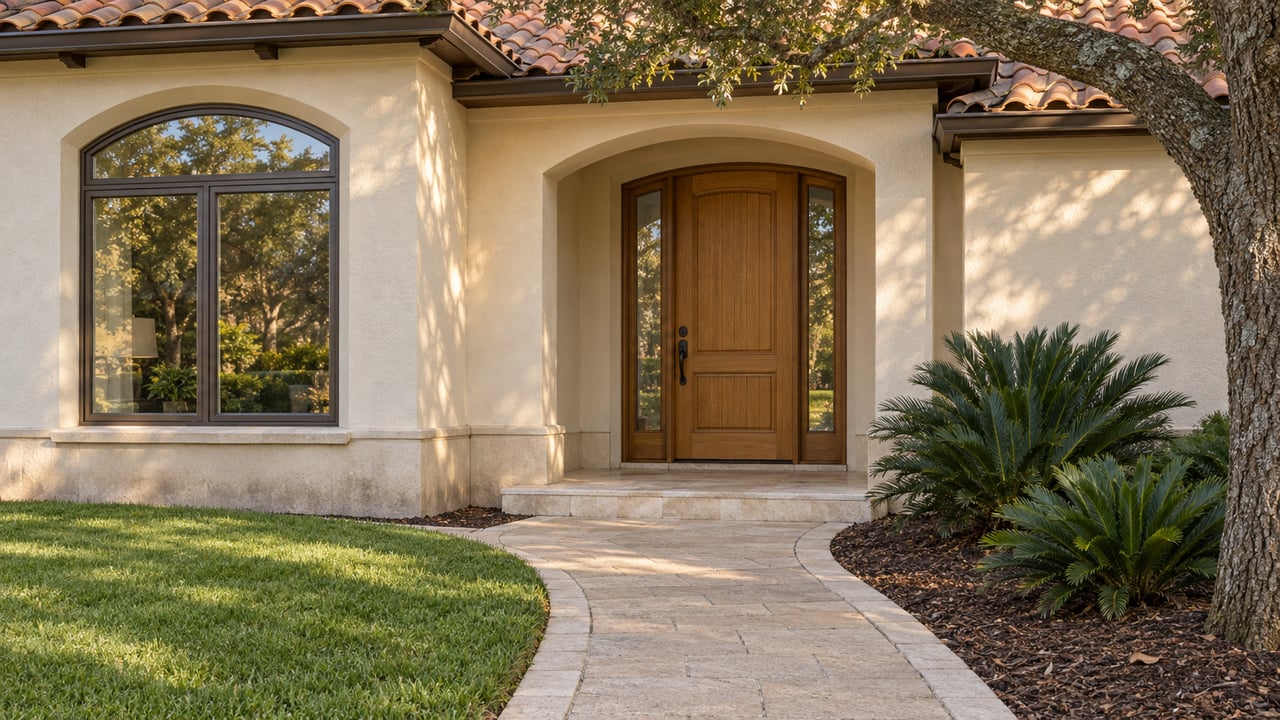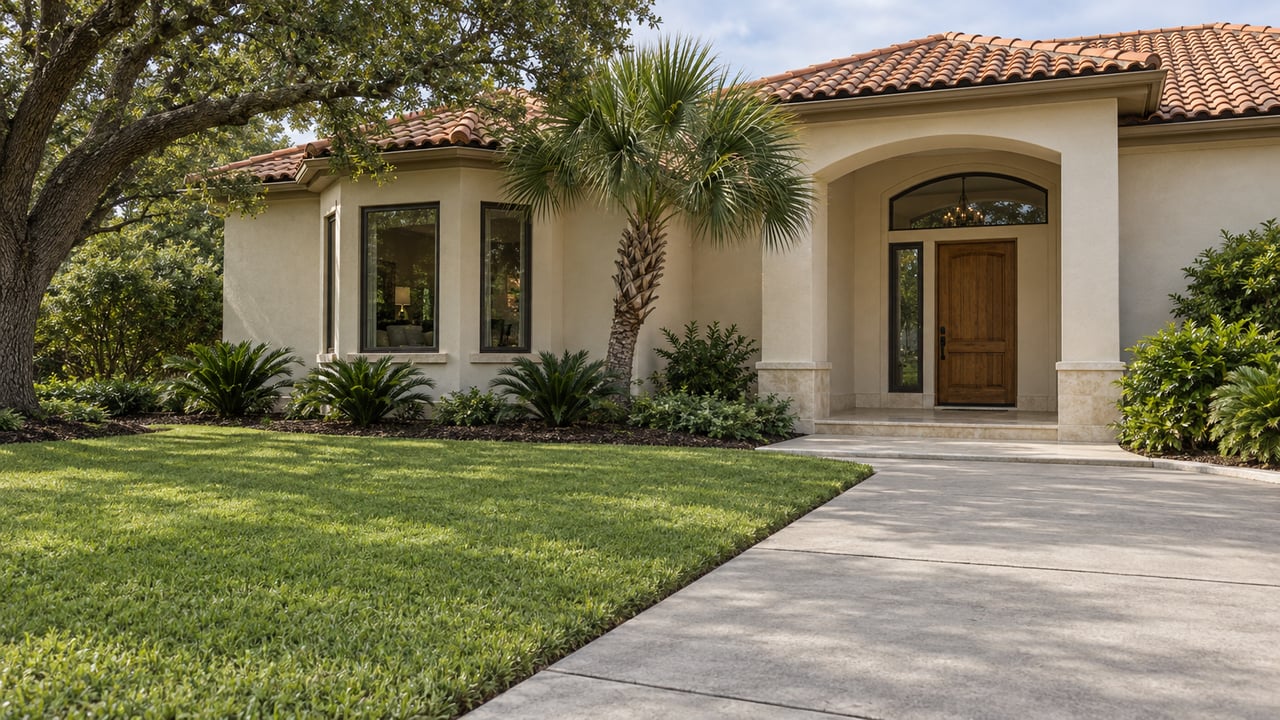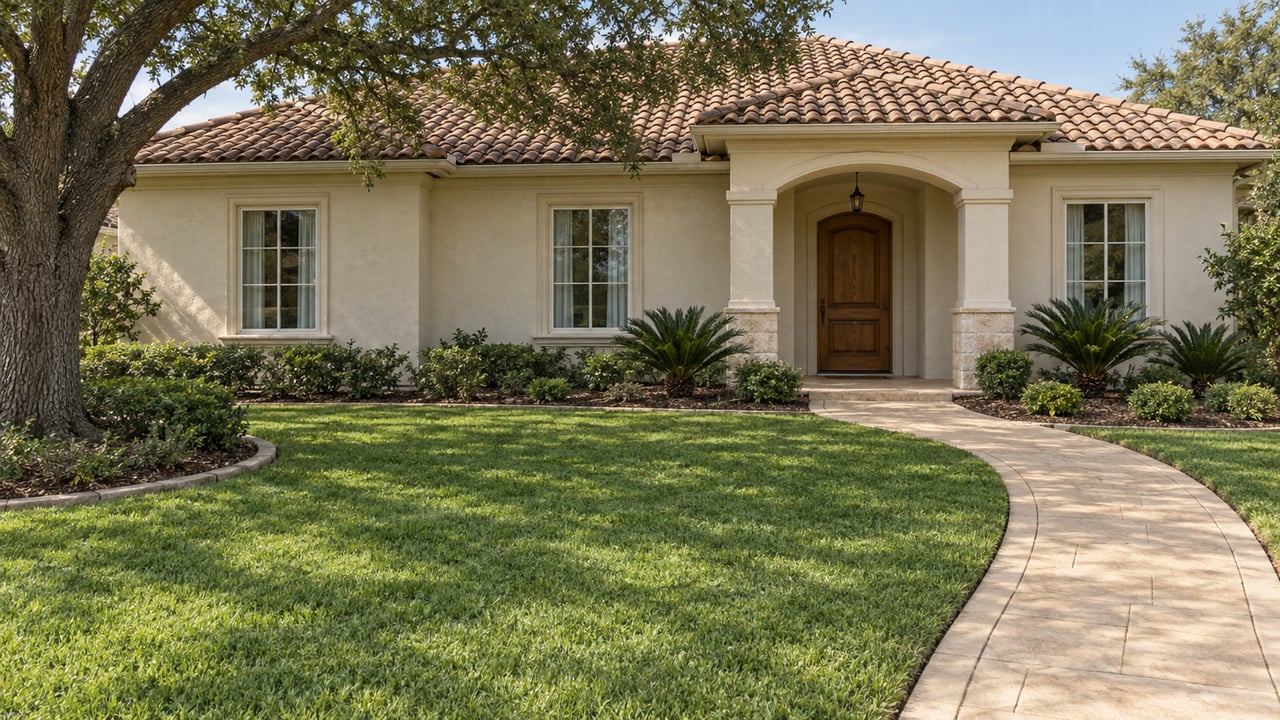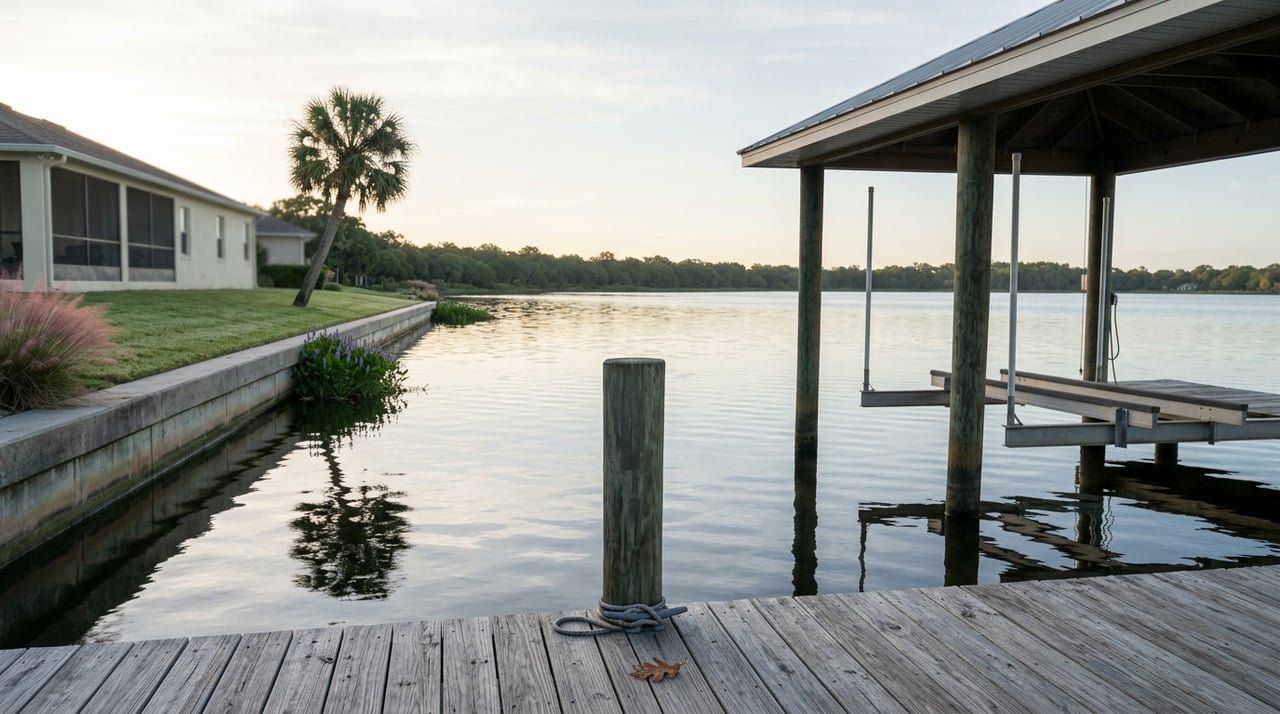
The covered dock with the tin roof and a small sitting area looks like the kind of thing nobody would ever ask twice about. The bare wooden platform two docks down looks like the afterthought. On paper, with the Florida Department of Environmental Protection, it can run the other way. A roof, a canopy, or even built-in decking counts toward the same square footage cap that determines whether a dock is exempt from permitting or needs a full review. Size alone tells you nothing. Coverage does.
That distinction matters more on Winter Haven's Chain of Lakes than almost anywhere else in Polk County, because so much of the housing stock here was built or modified decades before anyone was thinking about square footage calculations. A buyer walking a property in Eloise, Howard, or Hartridge assumes that if the dock has stood there for twenty years without incident, it must be fine. A seller assumes the same thing, often without ever having pulled the original permit file. Both assumptions can be wrong, and the point at which that becomes expensive is almost always during due diligence, not before.
The Number That Actually Decides Your Paperwork
Florida DEP allows many single-family docks to self-certify as exempt, but that exemption generally tops out around 1,000 square feet of over-water area for docks outside Outstanding Florida Waters and in canals. Cross into general permit territory and the ceiling moves to 2,000 square feet, but only for projects designed for no more than two vessels. Anything larger, or anything touching more sensitive water, needs an individual Environmental Resource Permit, which means longer timelines and more scrutiny.
Here is the part that catches people off guard: DEP counts roofs, canopies, elevated platforms, and decking as part of that over-water area. A dock that looks like a simple platform for two boats can, once you add a covered sitting area or a small boathouse roof, cross from the exempt category into general permit territory without the footprint on the water actually growing much at all.
| Dock Category | Typical Threshold | What Counts Toward It |
|---|---|---|
| Self-certified exempt | Up to roughly 1,000 sq ft over-water area | Deck surface, roof, canopy, elevated platform |
| General permit | Up to roughly 2,000 sq ft, max two vessels | Same, plus vessel count restriction |
| Individual ERP | No standard cap, case by case | Larger or more sensitive projects |
If you're evaluating a waterfront listing and the dock has a roof or a covered area, that alone is a reason to ask for the permit history before you get emotionally attached to the boathouse.
What This Looks Like on the Chain Specifically
The Winter Haven Chain of Lakes is not one body of water but twenty-two, spread across roughly 9,000 acres and split into North and South sections connected through a lock system between Lake Hartridge and Lake Conine, according to the Florida Fish and Wildlife Conservation Commission. Boat access to the South Chain runs through Summit, Shipp, Howard, Cannon, and Hartridge. The North Chain connects through Conine, Rochelle, and Haines. That interconnected structure is exactly why the Chain draws boaters in the first place, and it's also why so many properties here have some form of covered dock, boathouse, or lift built to take advantage of it.
A lot of that construction predates current permitting practice, or was expanded in stages by different owners over the years. A roof added in one decade, a lift added in another, a deck extended after that. Each addition may or may not have been permitted on its own. By the time a property changes hands today, the accumulated structure can be well past what the original exemption ever covered, and nobody currently living in the house may know it.
The Shoreline Rule Most People Never Hear About
Docks and seawalls get the attention, but shoreline clearing has its own limit that surprises people just as often. Winter Haven generally allows a property owner to clear vegetation up to 50 feet, or 50 percent of their owned shoreline, to open water without needing a permit. That's a reasonable allowance for most residential lots. It's also easy to exceed without realizing it, especially on properties where a previous owner wanted an unobstructed view or a beach-style entry into the water.
Cross that threshold, particularly if sand fill or other beach-style modification was involved, and the project generally needs both a DEP dredge-and-fill permit and an Environmental Resource Permit from the water management district. If you're buying a property with a wide, clean, sandy shoreline entry and no vegetation buffer, that's worth a direct question rather than an assumption that it was always allowed to look that way.
What the Numbers Actually Cost You
None of this matters in the abstract. It matters because dock and seawall work is not cheap, and permit uncertainty complicates who pays for what and when.
A new dock build runs an average of $14,835 nationally, with a typical range from $3,981 to $25,690, according to HomeAdvisor's 2025 dock cost guide. Seawalls carry heavier numbers. A 100-foot seawall averages $35,000, with a typical range from $15,000 to $60,000, according to HomeGuide's seawall pricing data, and that's before factoring in inspection and any structural repair the seawall might already need.
Put that against the current waterfront market here. As of mid-August 2026, there were 79 waterfront homes listed for sale in Winter Haven at a median listing price of $290,000, with those homes typically sitting on the market for 87 days. A seawall replacement at the high end of that range represents roughly 20 percent of the median list price. That's not a line item you negotiate after closing. That's a number that belongs in the offer itself, tied to a documented inspection, not a verbal assurance that "it's held up fine so far."
The Market Finally Gives Buyers Room to Ask
Here's the shift worth paying attention to. Citywide, Winter Haven's median home sale price sat at $284,900 in August 2026, with homes taking an average of 90 days to sell, compared to 76 days at this point a year earlier. That's a meaningfully slower pace than the market buyers were navigating twelve months ago, and it changes the leverage on the table.
A year ago, in a faster market, waterfront buyers competing for a limited pool of Chain-access homes had real incentive to waive inspection contingencies just to get an offer accepted. At 90 days average time on market instead of 76, that pressure has eased. A buyer today has more room to request a marine contractor's evaluation of the dock and seawall, ask for permit documentation in writing, and build a reasonable inspection period into the contract without losing the house to a faster offer. Sellers, for their part, are better served pulling their own permit history before listing rather than discovering a gap mid-transaction when a buyer's inspection turns it up first.
Before You Write or Accept an Offer
A short list of what actually needs verifying, not just discussing:
- Ask whether the dock, lift, or seawall has ever been altered since the original permit, and whether any addition included a roof, canopy, or extended decking
- Confirm with the City of Winter Haven's building and permitting staff whether permits for the existing structure are on file, regardless of which owner obtained them
- If the shoreline looks cleared or beach-style, ask directly whether that work exceeded the standard 50-foot or 50 percent allowance
- Get a marine contractor's written evaluation of seawall condition before finalizing price, not after
- If the home relies on septic rather than city sewer, which is still common on parts of the Chain, request Polk County health department records separately from the home inspection
None of these steps are complicated. They just have to happen before the ink dries, not after.
A Few Questions That Come Up Often
Does a dock without any roof or canopy still need a permit? Often not, if it stays within the exempt square footage threshold and the property sits outside Outstanding Florida Waters.
Is a marine inspection different from a standard home inspection? Yes. A general home inspector typically isn't evaluating seawall structural integrity or dock framing the way a marine contractor would. Budget for both if the property has significant waterfront infrastructure.
If you're weighing a Chain of Lakes property, whether you're buying into the lifestyle or preparing to sell one, the permit history is not a formality to skip. It's the difference between a smooth closing and a repair credit negotiation nobody saw coming. Paula Shields works Winter Haven's waterfront market directly and can help you pull the right records before you're standing at the closing table wondering who was supposed to check. Schedule Your Free Consultation to start with a clear picture of what you're actually buying or selling.
This article is general information, not legal, tax or financial advice. Consult a qualified professional about your situation.