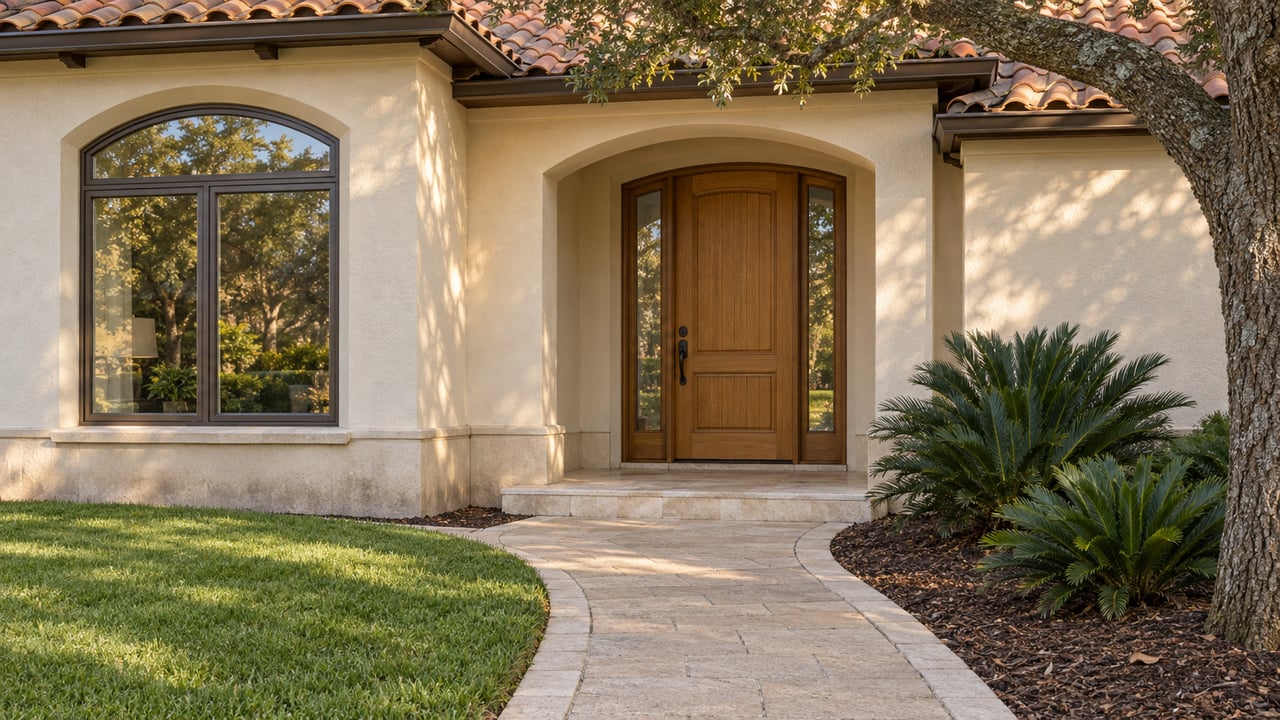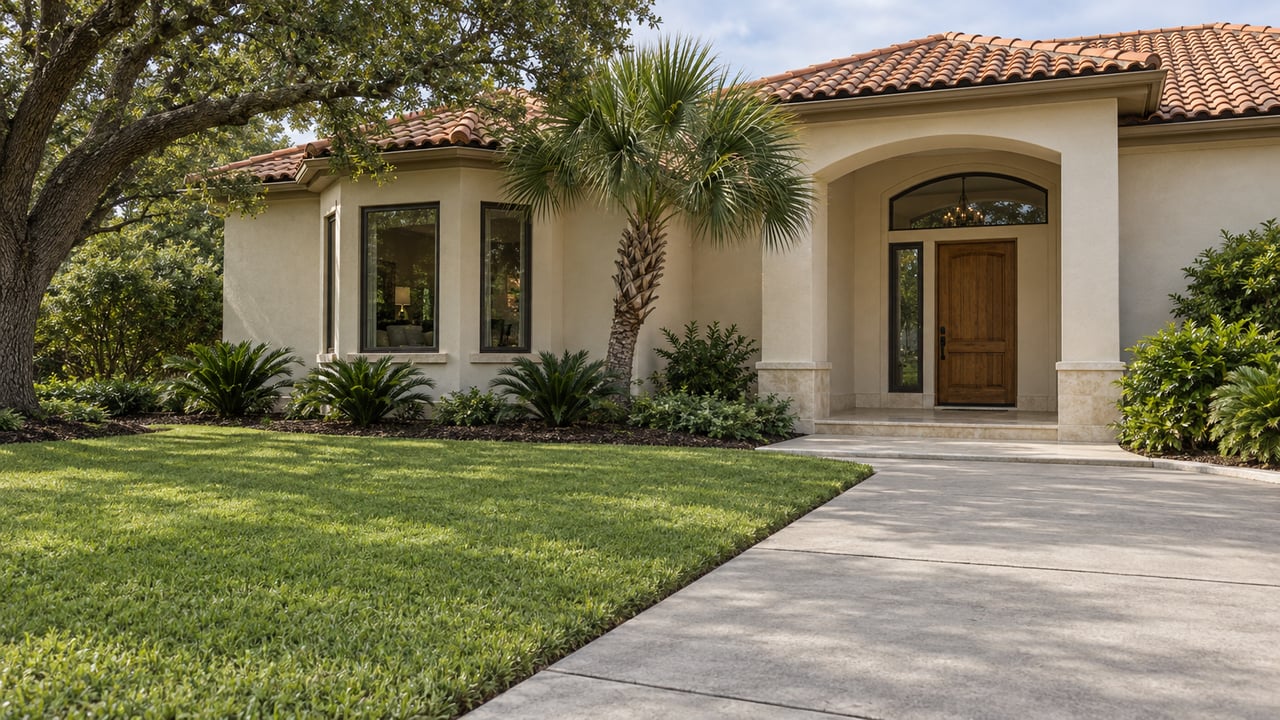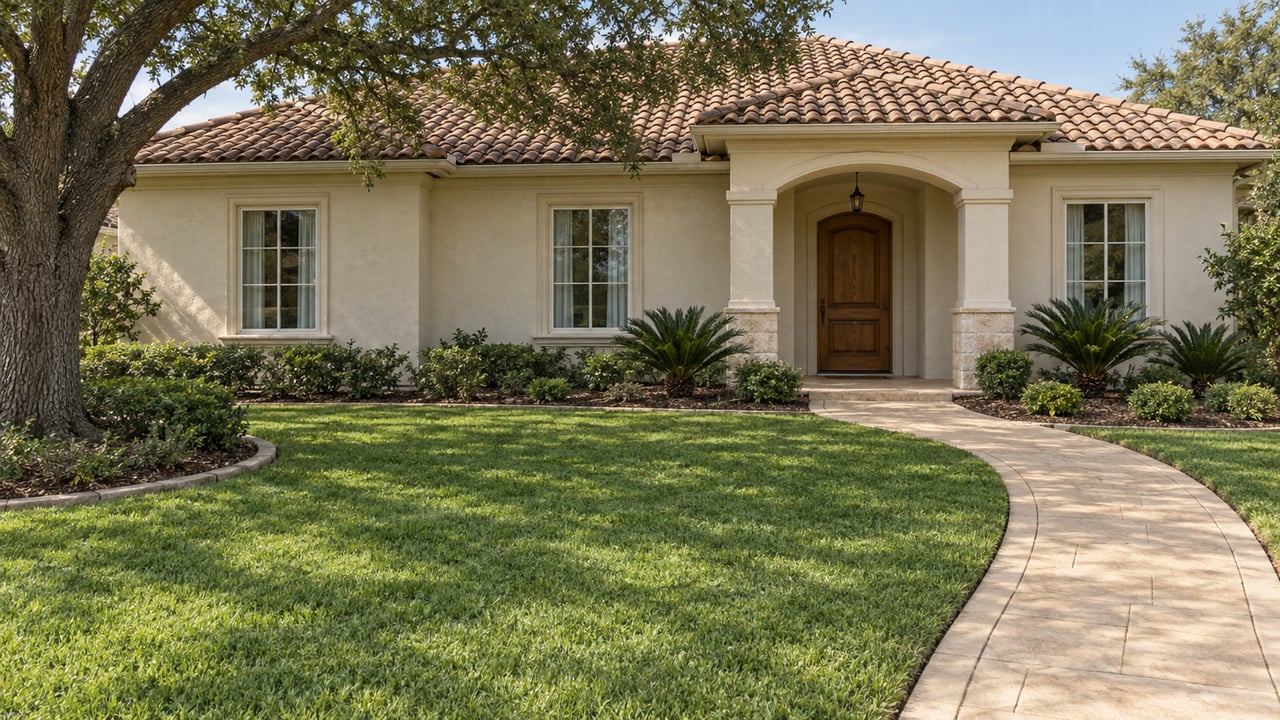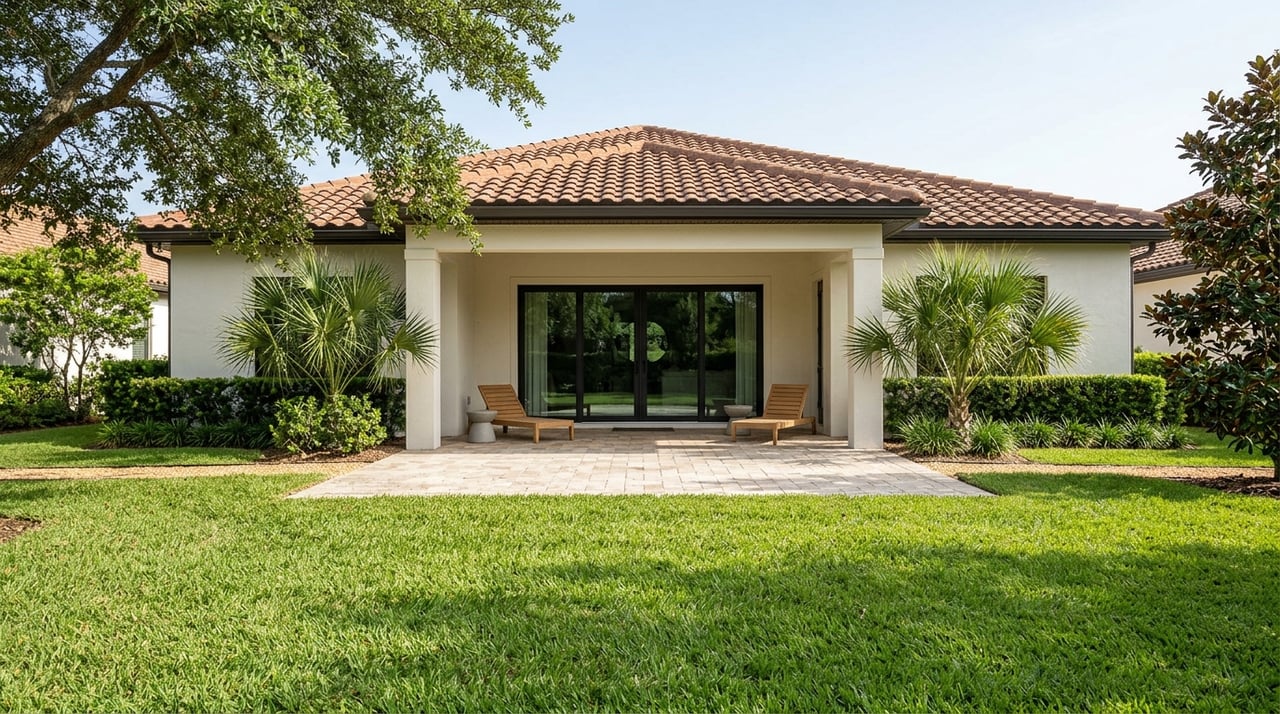
Wondering whether to build on land in Mulberry or buy a home that is already there? It is a smart question, especially if you want more space, a better fit for your lifestyle, or a property with long-term potential in South Polk. The right choice often comes down to how much time, coordination, and site research you are ready to take on, so let’s dive in.
Build New vs Buy Existing in Mulberry
If you are deciding between vacant land and an existing home in Mulberry, the biggest difference is complexity. Buying an existing home usually means the house, utility connections, and final approvals are already in place. Building new can give you more control, but it also brings more steps before you can move in.
That difference matters even more in Mulberry because the process changes based on where the parcel sits. A property inside Mulberry city limits follows one path, while a property in unincorporated South Polk follows another.
Why Location Changes the Process
Mulberry city limits vs South Polk
Inside Mulberry city limits, permit applications go through the City of Mulberry Building Department using its Accela permit portal. The city also has its own Utilities Division that handles water, wastewater, meter work, and construction inspection.
In unincorporated South Polk, permits, inspections, development review, and digital plan submission go through Polk County’s Access Portal. Before you decide to build or buy, you need to know which jurisdiction controls the parcel because that sets the approval process from the start.
Not every lot is equally ready
Polk County planning maps show that development is guided by where urban services are already available or planned. The county maps several development-area types, including UGA, SDA, UEA, RDA, and NUSA.
For you as a buyer, the takeaway is simple: two lots may look similar online, but they may not be equally ready for residential construction. A quick check on parcel status, service areas, and development conditions can save you time and money.
What Building New Adds
More approvals and moving parts
Building from scratch usually involves more than just applying for one permit. Polk County’s building process includes separate inspection checkpoints such as footing or footer, slab, lintel, roof dry-in, insulation, irrigation, and final inspection.
That phased process means you should expect more scheduling, more coordination, and more opportunities for delays than you would with a completed home. In Polk County, permitting volume can also affect timing, and same-day owner-builder walk-throughs are limited.
Builder registration matters
If your lot is inside the City of Mulberry, contractors must register with the city. That registration requires a current business tax receipt, liability insurance, workers compensation or exemption, and a State Certified Registration Form.
This is one reason it is important to confirm early that your builder is properly prepared for the local process. A well-qualified builder can help keep paperwork and timelines moving in the right direction.
Land development review may be required
Some parcels need more than building approval. Polk County’s portal includes processes for plats, variances, special exceptions, planned developments, land use amendments, development agreements, engineered site plans, waivers, and land-use verification letters.
If a lot needs one of those reviews, your timeline and budget may look very different from a straightforward homesite. This is especially important when you are comparing a raw parcel with an existing home on a larger lot.
Utilities Can Make or Break the Decision
City utilities can simplify the path
In Mulberry, the city utilities system handles water and sewer lines, meter work, and construction-related utility coordination. The city also lists local utility providers for electric, water and sewer, and natural gas service.
If a parcel already has utility access available, the build process may be more straightforward than it would be on a raw lot. That can make a big difference when you are comparing total project cost.
Raw land may need well and septic
If a property is outside city utility service areas, you may need to plan for on-site systems. Polk County tracks water and wastewater service areas in GIS, which is a reminder to verify actual parcel service instead of assuming utilities are available.
For septic, the Polk County Department of Health inspects, evaluates, and permits new and repaired systems. For wells, the process involves both the health department and the Southwest Florida Water Management District, including a pre-construction site inspection to verify setbacks.
Ongoing well responsibilities
A private well is not just a one-time installation decision. The Polk County health department recommends testing well water for bacteria and nitrate at least once a year.
If you are considering a rural-style setup, that is not necessarily a drawback. It just means you should understand both the up-front installation steps and the ongoing maintenance expectations.
Floodplain and Site Constraints Matter
If a parcel is in a flood hazard zone, Polk County requires floodplain compliance. The county’s flood-hazard notice states that a FEMA elevation certificate is needed before certain inspections, including lintel or framing rough.
That does not automatically rule out the property, but it can add documentation and inspection steps. When you are weighing build new versus buy existing, floodplain status is one of the most important lot-specific details to confirm early.
What Buying an Existing Home Changes
Fewer upfront approvals
Buying an existing home on a larger lot is often the lower-complexity option. In many cases, the main house, utility hookups, and final construction approvals are already complete.
That can make the path to closing and move-in feel much more predictable. If your goal is speed or less coordination, this route often has the advantage.
Existing homes can still need permits
A completed home does not mean a permit-free future. Polk County’s inspection list includes permit tracks for items like window and door change-outs, water-heater change-outs, roof work, electrical service changes, irrigation, and renovations.
So if you buy an existing home and plan to update it, you still need to look at the property through a practical lens. A home can be move-in ready and still need permitting for future improvements.
Carrying costs may look different
The Polk County Property Appraiser states that properties are assessed as vacant land until a new home or other structure is completed. If you are building from scratch, that can affect your carrying-cost picture while construction is underway.
For some buyers, that may be manageable. For others, it is one more reason an existing home may feel simpler from both a timeline and budgeting standpoint.
Questions to Ask Before You Choose
Use this checklist before you commit to land or an existing home in Mulberry:
- Is the parcel inside Mulberry city limits or in unincorporated Polk County?
- Are water and sewer available, or will you need well and septic?
- Is the property located in a flood hazard area?
- Will the lot require a plat, variance, special exception, or engineered site plan?
- Is the builder properly registered for the jurisdiction handling the permit?
- Does the property’s development status suggest added time before construction can begin?
These questions can help you compare properties more accurately. They also make it easier to spot whether a low-priced lot is truly a value or simply a project with more steps attached.
Which Option Fits You Best?
If you want fewer moving parts and a faster path to ownership, an existing home on a larger lot is often the easier choice in Mulberry. If you want customization, more lot control, or a more rural setup, buying land can be a great option, but only after careful due diligence.
The best decision is not just about price. It is about matching the property to your timeline, comfort level, and long-term goals in Mulberry and South Polk.
If you want help comparing vacant land, newer construction, or existing homes in Mulberry, Paula Shields can guide you through your options with local insight and practical next steps.
FAQs
Should you build new or buy an existing home in Mulberry, FL?
- If you want a simpler process and quicker move-in, buying an existing home is usually easier. If you want more customization or a specific lot setup, building new may be worth the added coordination.
What permits are needed to build on land in Mulberry, FL?
- That depends on the parcel location. Inside Mulberry city limits, permits go through the City of Mulberry Building Department. In unincorporated South Polk, permits and inspections go through Polk County’s Access Portal.
Do Mulberry land buyers need to verify utilities before building?
- Yes. You should confirm whether water and sewer are available or whether the lot will need a well and septic system.
Can flood zones affect new construction in Polk County, FL?
- Yes. If a parcel is in a flood hazard zone, floodplain compliance may be required, and a FEMA elevation certificate may be needed before certain inspections.
Is buying an existing home in South Polk easier than building on vacant land?
- In many cases, yes. Existing homes usually avoid many of the build-stage approvals because the dwelling, utility hookups, and final inspections are already in place.
Do existing homes in Mulberry still require permits for updates?
- Yes. Future work such as roof replacement, electrical service changes, irrigation, renovations, and some fixture or opening replacements may still require permits.