Buying your first home can feel exciting and overwhelming at the same time, especially when you are trying to balance price, monthly payment, commute, and the kind of home that fits your life. If Plant City is on your radar, you are probably looking for a place that offers access to the greater Tampa Bay and Central Florida corridor while still giving you real housing choices. This guide will walk you through what first-time buyers should know about Plant City, from housing styles and budgeting to closing costs and post-closing steps. Let’s dive in.
Why Plant City Appeals to First-Time Buyers
Plant City sits along the I-4 corridor, about 25 miles east of Tampa, 50 miles west of Orlando, and within ten miles of Lakeland. For many first-time buyers, that location matters just as much as the home itself because it can support commuting in more than one direction.
Plant City had 39,764 residents in the 2020 Census, which makes it large enough to offer a range of housing options without feeling like a major metro. If you want a place with regional access and a more local feel, Plant City often lands in that sweet spot.
What Homes You May Find in Plant City
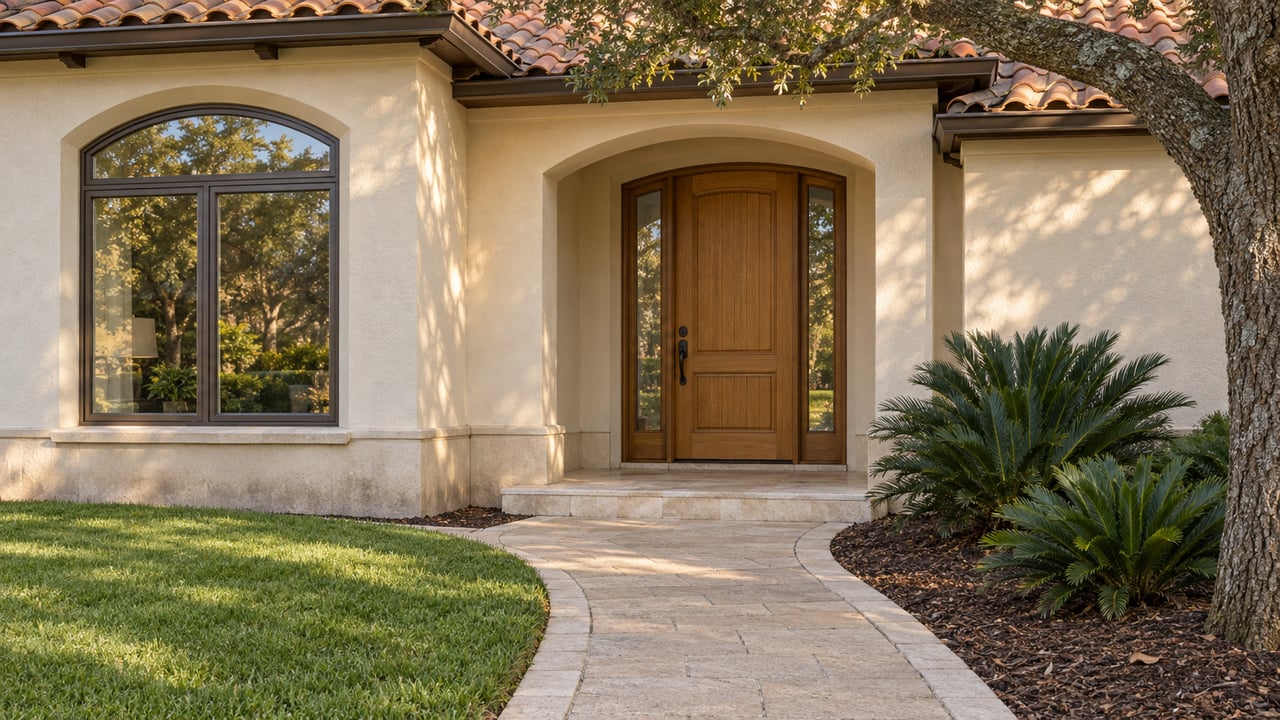
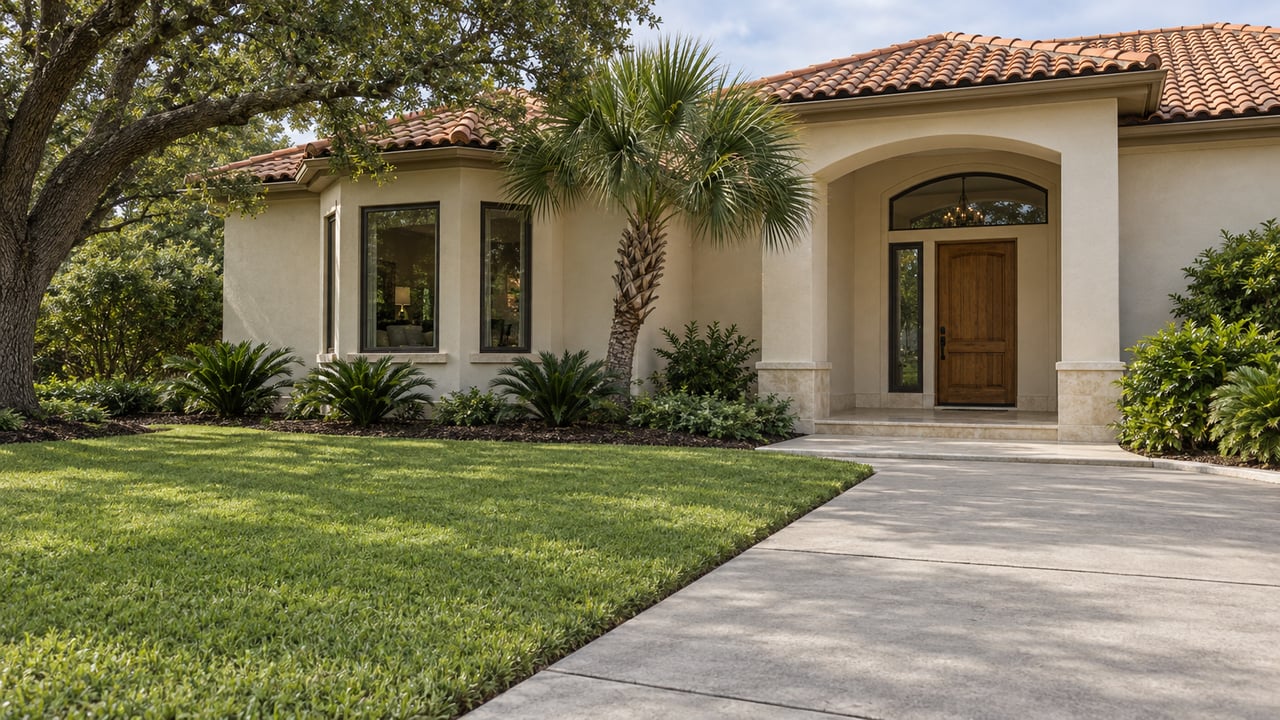
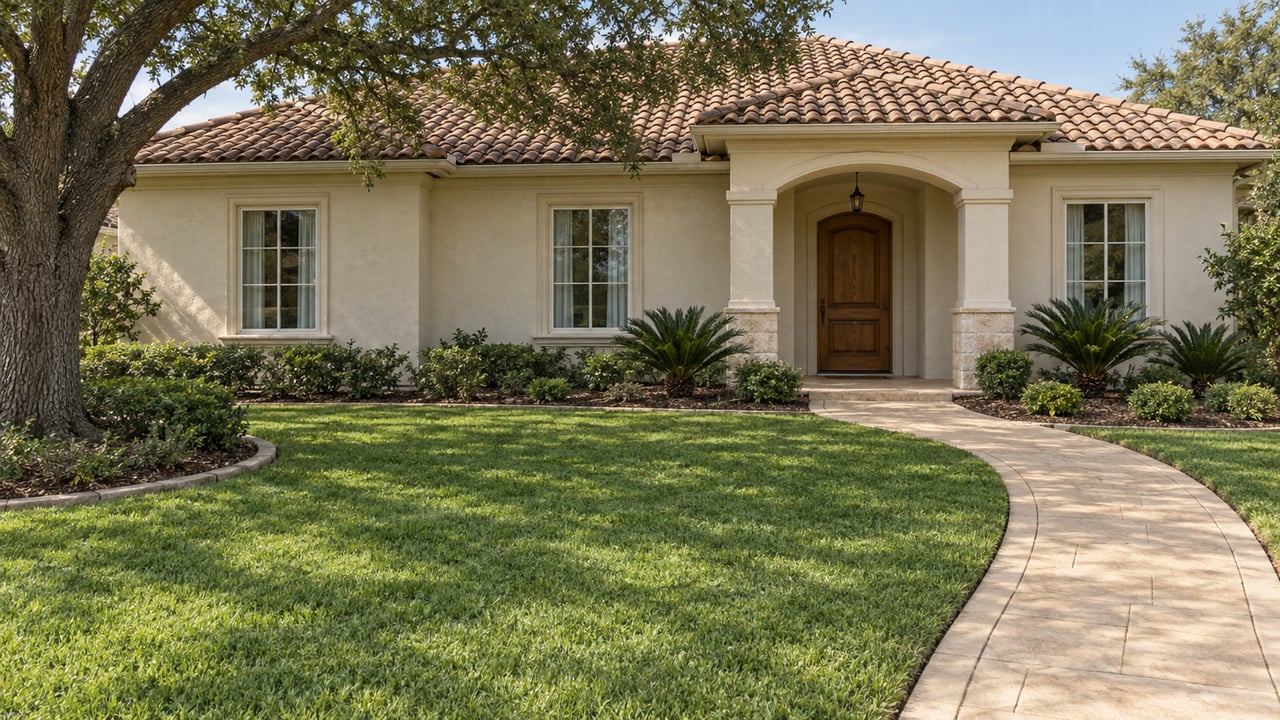
One of the most helpful things to know about Plant City is that its housing stock is not one-size-fits-all. Your options may look very different depending on which part of the city you explore.
Older homes with character
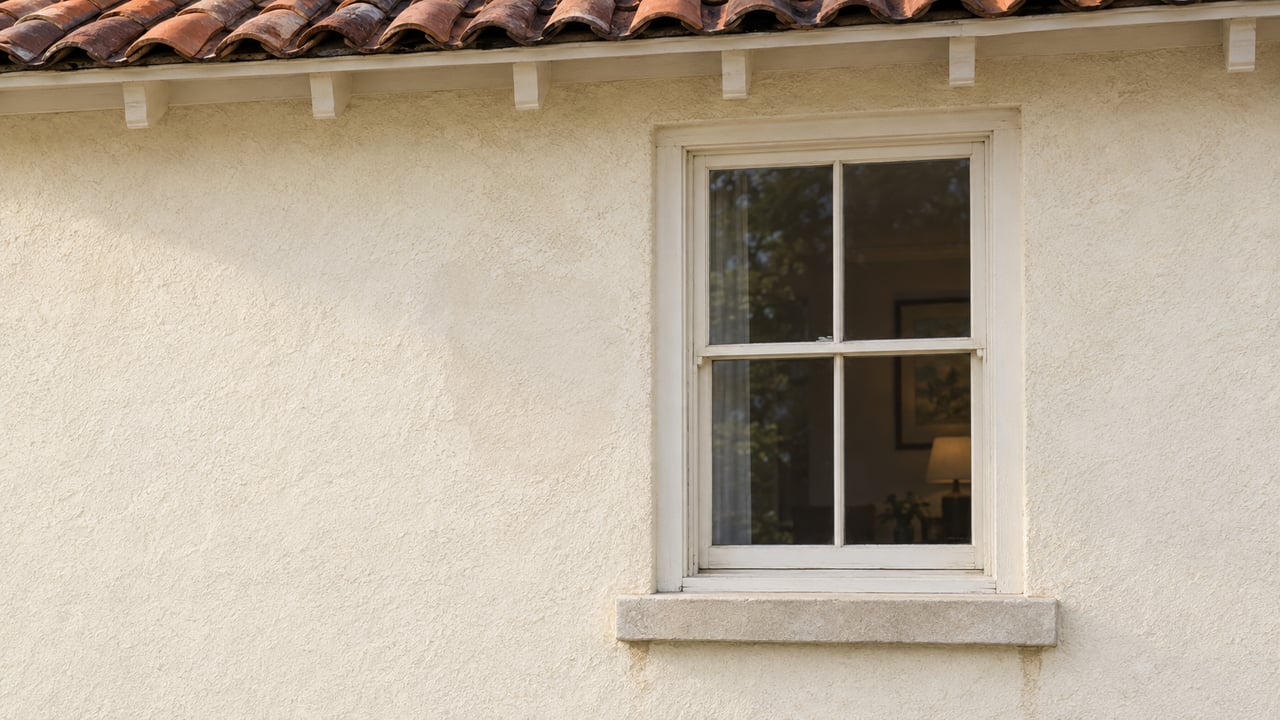
In and around historic areas near downtown, you may see bungalows, wood-frame homes, masonry vernacular homes, Folk Victorian houses, and Colonial Revival styles. The city’s design standards also identify a Bungalow and Craftsman period from 1910 to 1940, which gives you a sense of the home styles that shaped parts of Plant City.
If you love original charm, mature streetscapes, and homes with personality, these areas may stand out to you. They can be great options for buyers who value character, but older homes often make inspections even more important.
Newer growth areas to watch
City budget documents point to expected residential growth in the northeast sector and the south end of town. If your wish list includes newer construction, more modern layouts, or less immediate maintenance, those areas may deserve extra attention during your search.
For many first-time buyers, the practical split in Plant City comes down to commuter convenience versus historic character. Homes near I-4 and major corridors may work well for daily travel, while downtown and historic areas may appeal more if you want an older home with a distinct style.
Set Your Budget the Right Way
A first-time buyer budget should go beyond the list price. A home that looks affordable at first glance can feel very different once you add the full monthly and upfront costs.
HUD notes that affordability depends on your income, credit, monthly expenses, down payment, and interest rate. The CFPB also advises buyers to include property taxes, homeowners insurance, water, and other utilities when calculating what they can realistically afford.
Plant City’s reported median household income for 2020 to 2024 is $67,439. That is not a rule for what you should spend, but it can serve as a rough local benchmark as you think about your comfort zone.
Costs first-time buyers often miss
When you build your budget, make room for:
- Down payment
- Closing costs
- Property taxes
- Homeowners insurance
- Utilities such as water and electric
- Possible mortgage insurance
- Maintenance and repairs
- Flood insurance if required
In Florida, insurance can be a major part of the monthly payment. The CFPB specifically advises buyers to ask about flood and disaster risk and whether flood insurance will be required, because that answer can change your monthly cost in a meaningful way.
Get Preapproved Before You Shop Seriously
It is easy to start with online listings, but your real search gets much clearer once you are preapproved. The CFPB recommends shopping with at least three lenders and getting preapproved before you begin making serious offers.
A preapproval letter is a lender’s tentative commitment based on your finances. Sellers often want to see that letter before accepting an offer, so having it ready can help you move faster when the right home shows up.
Compare more than just the rate
Once you have a contract, compare official Loan Estimates from multiple lenders. The CFPB recommends focusing on:
- Interest rate
- Monthly payment
- Mortgage insurance
- Escrow amounts
- Origination charges
- Lender credits
- Cash to close
This step matters because the lowest rate is not always the best overall deal. Sometimes a loan with a slightly different structure may fit your cash flow better.
Search Plant City With a Clear Strategy
First-time buyers can save time by deciding early which tradeoffs matter most. In Plant City, your search often becomes easier when you narrow in on the lifestyle you want your home to support.
Focus on commute needs
If you expect to travel regularly toward Tampa, Lakeland, or Orlando, homes with easier access to I-4 and main corridors may rise to the top of your list. In a commuter-oriented market, location can shape your day-to-day life as much as square footage does.
Focus on home style and age
If you are drawn to downtown or north-side historic areas, you may find homes with more character and architectural detail. That charm can be a major plus, but it also means you should plan carefully for inspection findings, upkeep, and any future renovation goals.
Focus on newer inventory
If you want a more turnkey option, look closely at areas tied to expected growth in the northeast and south end of town. These areas may align better with buyers who want newer layouts or fewer immediate projects.
Protect Yourself in the Offer Process
For first-time buyers, the offer stage can feel intimidating. The good news is that certain protections can help you move forward more confidently.
The most relevant buyer protections are often inspection, financing, and appraisal contingencies. These matter because you need time to understand the home’s condition, confirm your loan, and make sure the property value supports the purchase.
Why the inspection matters
HUD makes a key distinction that every first-time buyer should know: an appraisal is not a home inspection. An appraisal helps the lender estimate value, while an inspection helps you understand the property’s condition.
That difference is especially important in Plant City, where older housing stock can make condition issues more likely to show up. The CFPB also notes that an inspection clause is particularly important when flood or disaster risk is a concern.
Know the Historic Home Rules Before You Buy
Historic homes can be some of the most appealing properties in Plant City, but they come with added planning. If you buy in a historic district, exterior changes may require city review before work begins.
Plant City’s Certificate of Appropriateness process may require plans, elevations, color and material samples, photos, and other supporting documents. Exterior projects such as porches, windows, roofing, paint colors, additions, fencing, or demolition may trigger review.
That does not mean a historic home is the wrong choice. It simply means renovation planning should be part of your purchase decision from the start, especially if you already know you want to make visible exterior updates.
Plan for Florida Closing Costs and Taxes
Closing day costs can surprise first-time buyers if you only focus on the down payment. In Florida, some taxes and fees commonly appear on the settlement statement and should be part of your planning.
According to the Florida Department of Revenue, deeds are generally taxed at 70 cents per $100 of consideration outside Miami-Dade. Mortgages are also generally subject to a 35-cent-per-$100 documentary stamp tax on the note plus a 2-mill nonrecurring intangible tax on the mortgage obligation.
Your exact numbers will depend on your purchase and loan details, but the bigger lesson is simple: ask for a realistic cash-to-close estimate early. That helps you avoid being caught off guard late in the transaction.
Review Your Closing Disclosure Carefully
By law, you must receive your Closing Disclosure at least three business days before closing. This gives you time to compare the final terms and costs with the earlier Loan Estimate and catch errors before signing.
This review window is important for first-time buyers because it gives you one last chance to confirm your interest rate, payment, cash to close, and final fees. If something looks different than expected, ask questions before closing day.
Take These Steps After You Close
Your work is not quite done once you get the keys. A few post-closing steps can affect your long-term costs, especially when it comes to property taxes.
File for homestead exemption
If the home will be your primary residence in Hillsborough County, homestead exemption is an important next step. The Hillsborough County Property Appraiser accepts applications year-round, but the statutory deadline is March 1.
Late-filed applications are accepted only until the 25th day after the TRIM notice is mailed, which is usually in August. After your first homestead year, assessed value increases are capped at the lower of 3% or CPI, and some owners may be able to transfer accumulated Save Our Homes benefit through portability.
Expect taxes to reset after a sale
Property taxes can change after a home sells because Florida reassesses at market value when ownership changes. That means the seller’s past tax bill may not reflect what you will actually pay going forward.
If you are moving from another Florida homestead, ask about portability paperwork after closing. That one step may matter more than many first-time buyers realize.
Watch for Assistance, But Stay Flexible
Some buyers may look for down payment or closing cost help through Florida Housing programs. The Hometown Heroes program can help some first-time, income-qualified buyers in eligible workforce occupations, but available funding for the 2025-2026 cycle had already been committed as of February 2026.
The key takeaway is to treat assistance as a possible bonus, not a guaranteed part of your plan. If you may qualify for a program, ask early and be ready with a backup strategy.
Plant City can be a smart place to buy your first home if you want regional access, a mix of home styles, and options that range from charming older houses to areas with newer growth. The best first purchase is not just the home you can buy today, but the one you can comfortably own and enjoy over time. If you want local guidance on comparing neighborhoods, understanding tradeoffs, and building a practical search plan, Paula Shields is here to help.
FAQs
What makes Plant City a good option for first-time homebuyers?
- Plant City offers access to the I-4 corridor, proximity to Tampa, Orlando, and Lakeland, and a mix of older homes and newer growth areas that can fit different buyer priorities.
What types of homes can first-time buyers find in Plant City?
- Buyers may find historic bungalows, vernacular homes, Folk Victorian and Colonial Revival styles near older areas, along with newer residential growth expected in the northeast and south end of town.
What costs should first-time buyers budget for in Plant City?
- In addition to the mortgage, you should budget for property taxes, homeowners insurance, utilities, closing costs, possible mortgage insurance, maintenance, and flood insurance if required.
Why is preapproval important for a first-time home purchase in Plant City?
- Preapproval helps you understand your price range, strengthens your offer, and gives sellers confidence that a lender has already reviewed your finances.
What should first-time buyers know about historic homes in Plant City?
- If you buy a historic property, some exterior changes may require city review through the Certificate of Appropriateness process before work begins.
When should a Hillsborough County buyer file for homestead exemption after closing?
- If the home is your primary residence, you should file as soon as you are eligible and keep the March 1 statutory deadline in mind for the relevant tax year.
Can property taxes change after buying a home in Plant City?
- Yes. Florida reassesses property at market value when ownership changes, so your future tax bill may be different from the seller’s current amount.